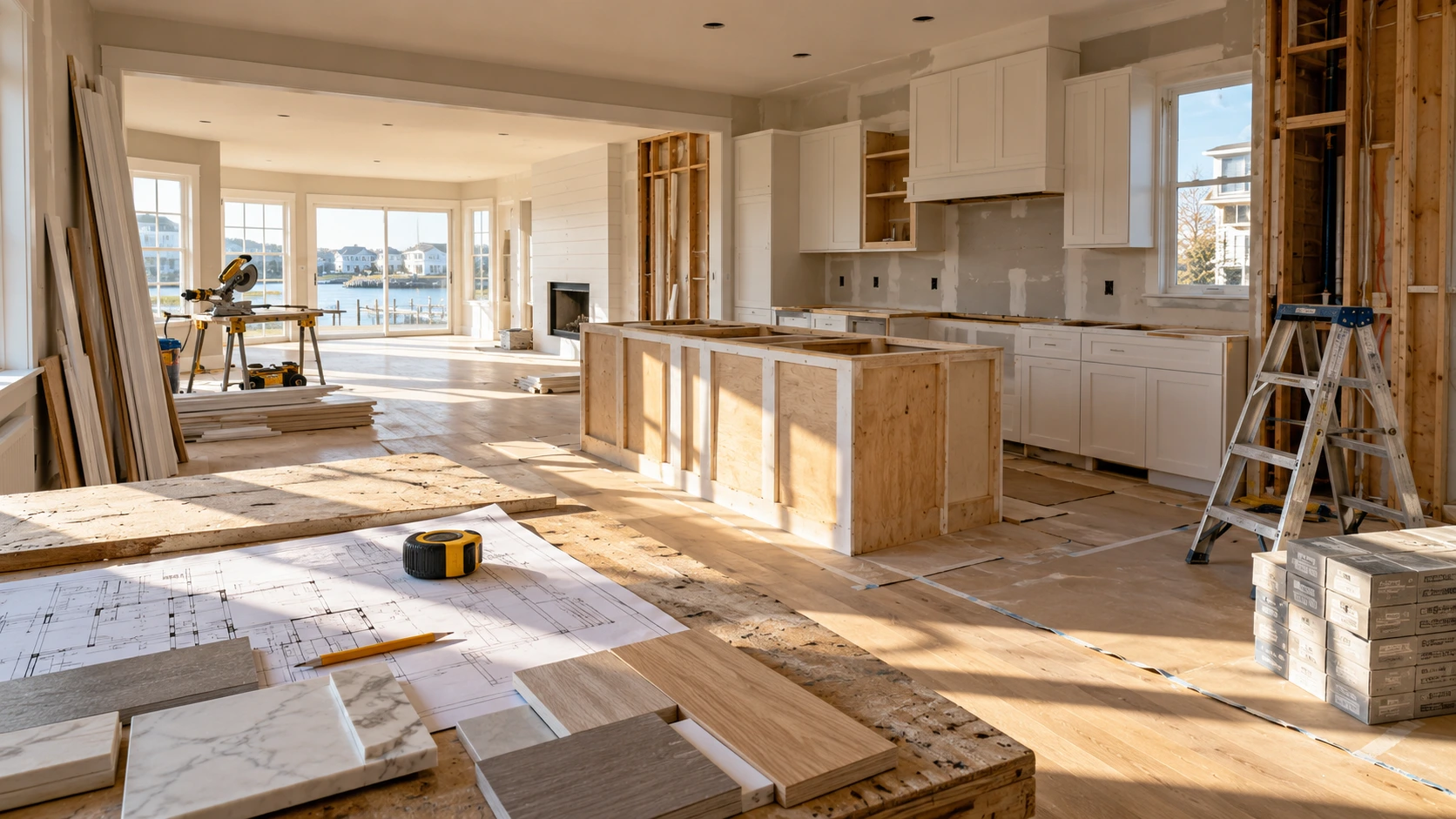
Home remodeling costs vary widely depending on the size of the project and the work involved. According to the 2026 U.S. Houzz & Home Study, homeowners who renovated in 2025 spent a national median of $20,000, while the highest-spending 10% spent $150,000 or more. These figures cover different types of renovations, not the price of remodeling an entire house.
The actual cost to remodel a house depends on its condition, labor, materials, and design changes. Updating cabinets and flooring usually involves less work than moving walls, plumbing, or electrical systems.
For homeowners along the South Jersey Shore, local labor prices, coastal conditions, and building requirements may also affect expenses. Understanding these costs helps you plan a realistic budget before construction begins.
How Much Does It Cost to Remodel a House?
There is no fixed price for remodeling a house. A small cosmetic update may involve painting, flooring, and fixture replacement, while a larger renovation could include several rooms and major construction work.
National renovation spending figures provide a useful reference, but they cannot replace an estimate for your home.
The best way to understand your expected costs is to identify the work needed and request detailed estimates from contractors.
What Factors Affect Home Remodeling Costs?
Square footage matters, but the type of work often has a greater effect on the final price.
For example, updating a bathroom while keeping the existing fixtures in place may cost less than moving the shower, toilet, and sink in a smaller bathroom.
Other remodeling project cost factors include:
- Project size: Larger renovations usually require more labor and materials.
- Existing conditions: Water damage, uneven floors, or damaged framing may need repairs.
- Design changes: Moving walls or changing room layouts can increase construction costs.
- Material choices: Custom cabinets and natural stone generally cost more than basic alternatives.
- Worksite access: Tight spaces or difficult deliveries can increase labor needs.
Knowing these factors helps explain why two similar homes may receive very different estimates.
Understanding the Main Home Renovation Expenses
A home renovation cost breakdown shows where your money goes beyond the visible finishes.
| Cost Category | Common Expenses |
| Labor | Carpenters, painters, plumbers, electricians, and installers |
| Materials | Cabinets, flooring, countertops, fixtures, and lighting |
| Demolition | Removing old materials and damaged components |
| Structural Repairs | Framing repairs and structural modifications |
| Utility Upgrades | Plumbing, wiring, outlets, and ventilation |
| Permits | Required applications and inspections |
| Waste Removal | Dumpsters, hauling, and disposal |
| Contingency | Unexpected repairs and additional work |
Labor and Material Costs
Contractor labor charges depend on the skills needed and the amount of work involved.
Installing flooring, for example, may involve removing the old surface, leveling the subfloor, and fitting the new material. The flooring price alone doesn’t cover those steps.
Materials also vary in quality and cost. When an estimate includes a material allowance, ask what products fit within that amount.
Comparing labor and material costs separately makes contractor estimates easier to understand.
Kitchen and Bathroom Remodeling Costs
Kitchens and bathrooms often require more specialized work than other rooms because they contain plumbing, electrical connections, and built-in fixtures.
Kitchen Renovation Expenses
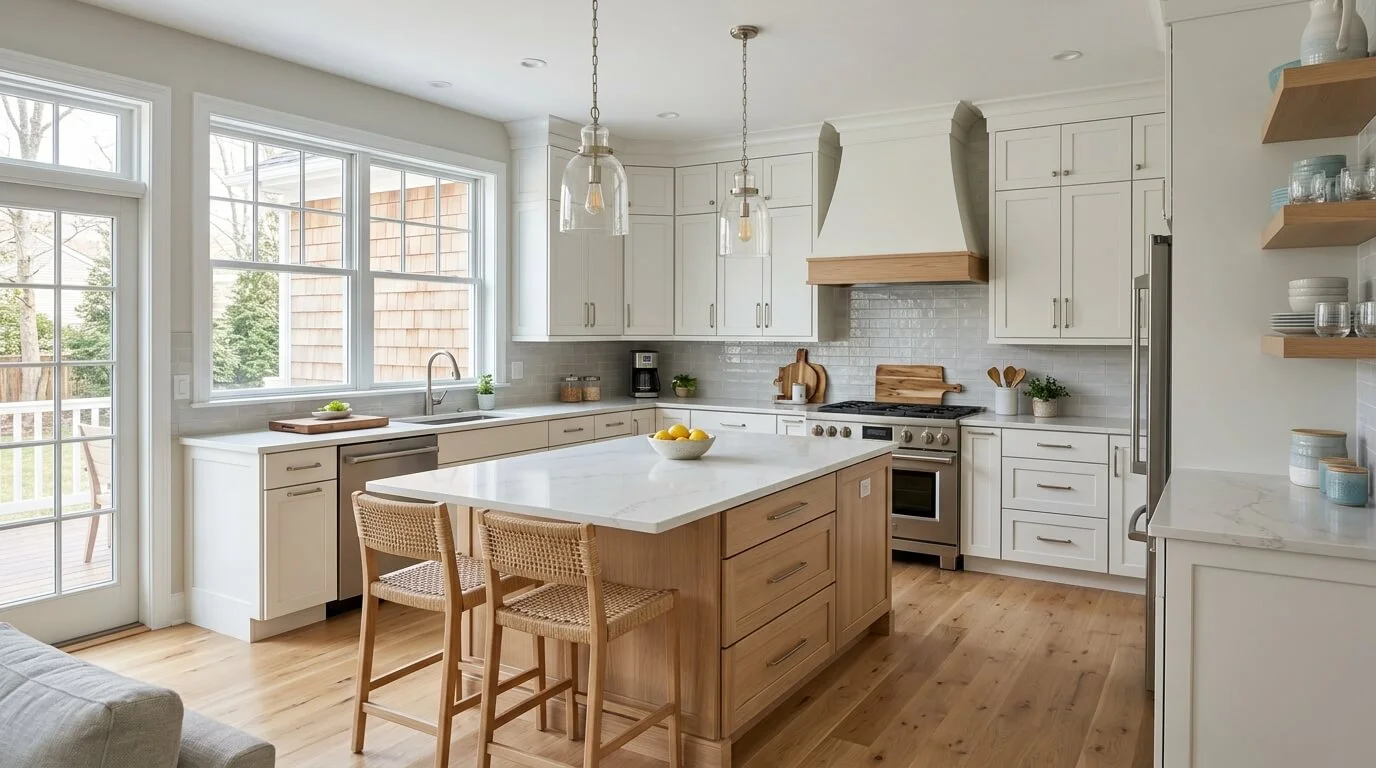
A kitchen renovation may involve replacing cabinets, installing countertops, upgrading appliances, or changing the layout.
Keeping the original plumbing and appliance locations can reduce some expenses. Moving a sink or adding electrical connections may increase the work required.
According to the 2026 Houzz study, the national median spending on kitchen renovations completed in 2025 was $24,000. This is a national survey figure, not a local contractor estimate.
Bathroom Renovation Expenses
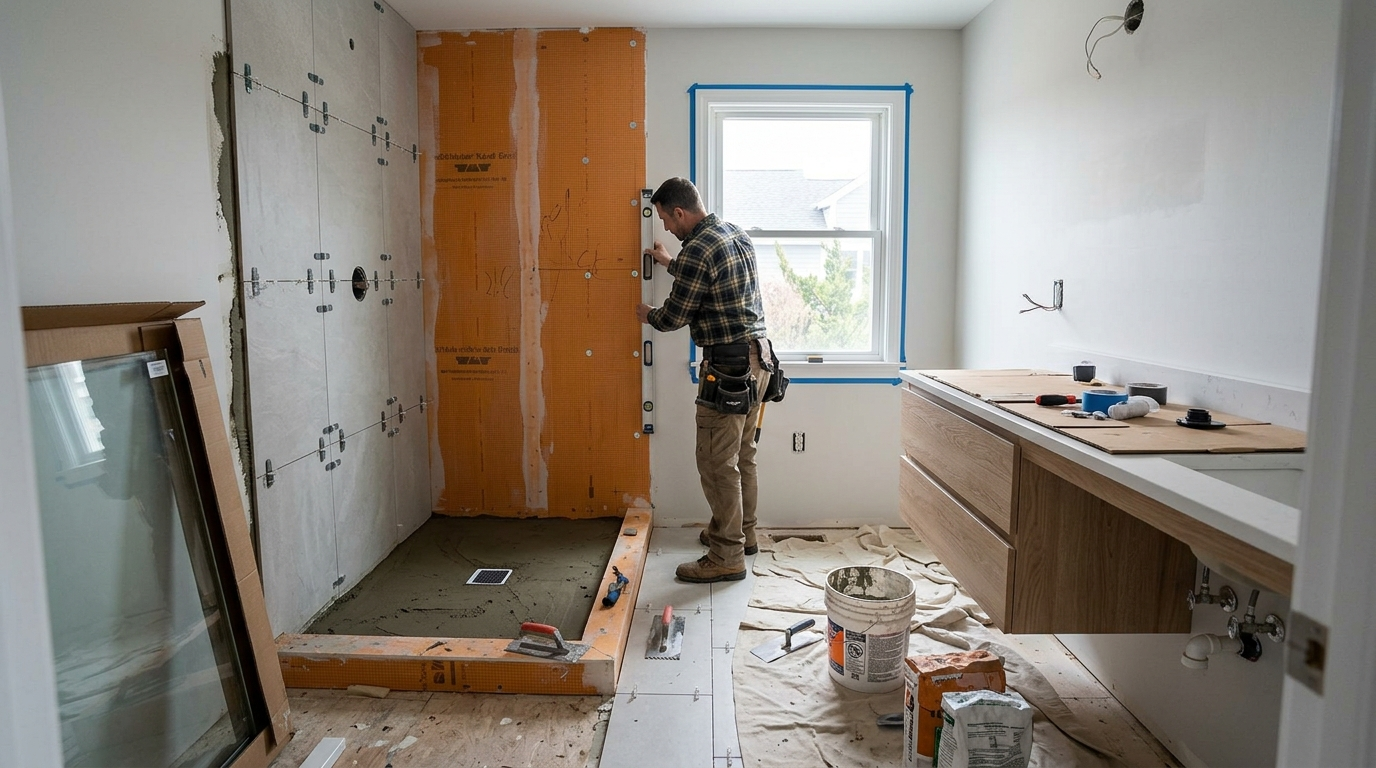
Bathroom renovation costs depend on shower construction, waterproofing, plumbing, tile, and fixture choices.
Replacing a vanity is much simpler than removing and rebuilding an entire shower.
The same Houzz study reported median spending of $15,000 for primary bathroom renovations and $7,000 for guest bathrooms in 2025. Actual prices in South Jersey will depend on the project scope and local labor rates.
Hidden Problems That Can Increase Renovation Costs
Some expenses only become clear after demolition begins.
Removing an old bathtub might reveal water-damaged subflooring. Opening a wall could expose damaged framing or outdated plumbing that needs attention.
These problems must be evaluated before new finishes cover the area.
Older homes may need additional repairs, but age alone doesn’t mean every property has hidden damage.
Ask contractors how unexpected problems will be documented, priced, and approved before additional work starts.
Coastal Conditions and Local Permit Costs
Homes along the South Jersey Shore may face added maintenance concerns from humidity, moisture exposure, and salt-laden outdoor air.
For example, moisture-damaged wood or corroded metal components may need replacement during renovation. These conditions vary from home to home and should be checked rather than assumed.
Renovation Permits in Ventnor City, NJ
New Jersey’s Uniform Construction Code sets requirements for different types of construction work.
Some cosmetic improvements may not require permits, while structural changes and certain plumbing or electrical upgrades may need approval.
Ventnor City provides information about building permits and inspections. Properties in regulated flood zones may also face additional requirements for certain major improvements.
Before setting your final budget, check which permits apply and whether their fees are included in your contractor’s estimate.
How to Compare Contractor Estimates
The lowest quote isn’t always the best deal.
One contractor might include demolition, waste removal, and painting, while another may charge separately for those services.
When comparing contractor quotations, review the work included, material allowances, exclusions, payment schedules, and possible additional charges.
Understanding Allowances and Change Orders
A material allowance is a set amount included in the estimate for products that haven’t been selected.
If your chosen fixtures or finishes cost more than the allowance, you’ll generally pay the difference according to your agreement.
A construction change order records changes to the original work, including added costs and possible delays.
Getting these details in writing helps prevent misunderstandings during construction.
Planning a Remodeling Budget That Works
A realistic home remodeling budget should include both planned expenses and room for surprises.
For example, if your total budget is $50,000, you might set aside $5,000 for unexpected work and plan the remaining $45,000 around the project. This is only an example, not a rule for every renovation.
The amount you reserve should reflect the home’s condition and the work involved.
If you’re using financing, consider interest, repayment terms, and when contractor payments are due.
Keep track of approved expenses throughout construction. Even small additions can affect the final budget when several changes occur.
Frequently Asked Questions
Is It Cheaper to Remodel a House in Stages?
Remodeling in stages spreads expenses over time. However, completing related projects together may reduce repeated setup, demolition, and labor costs. The better choice depends on your budget and project needs.
What Is Usually the Most Expensive Part of Home Remodeling?
Skilled labor, cabinetry, structural changes, and utility upgrades can be major expenses. The most expensive part depends on the rooms being renovated and the work required.
How Can Homeowners Reduce Remodeling Costs?
Keeping existing layouts, comparing material options, and making decisions before construction can help control costs. Necessary repairs and safety-related work should not be skipped to save money.
Why Do Contractors Provide Different Remodeling Estimates?
Contractors may include different materials, labor, allowances, and services. Comparing itemized estimates helps identify what each price covers and what may cost extra.
Conclusion
Home remodeling costs depend on the work your house needs, the materials you choose, and the condition of the existing structure. Labor, demolition, plumbing, electrical upgrades, and unexpected repairs can all affect the final price.
For South Jersey Shore homeowners, coastal conditions and local building requirements may bring additional expenses.
Understanding these factors makes it easier to compare contractor estimates, set spending priorities, and prepare for changes during construction. A realistic budget gives you better control over the project while helping you make decisions that suit your home and finances.